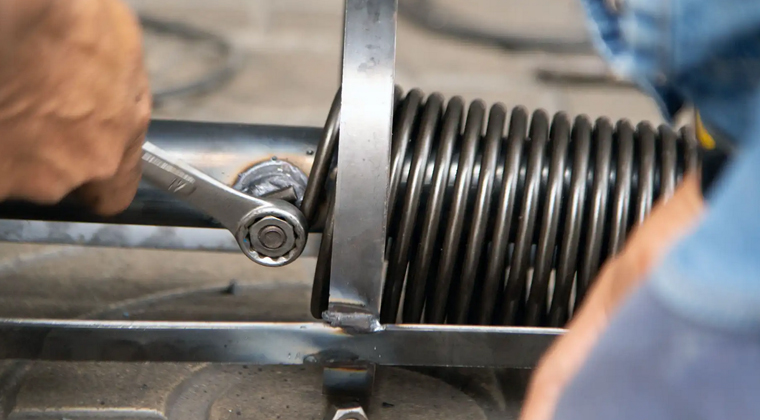
The Silent Snap: Clear Clues of a Broken Garage Door Spring

Broken-Garage-Door-Spring

Are you coming back from work? Your garage door is on duty! Are you leaving for some urgent need? Suddenly, it stops serving you. Now, that’s disturbing! And maybe, a broken garage door spring is behind all this. In fact, because of less attention, these springs bring you trouble. So, what reflects garage door spring damage? Let’s get to the details.

Broken Garage Door Spring? Here’s Why You Should Act Fast!

Garage door springs keep working silently. Because of them, your garage door can have an effortless movement.

Extension Springs– Firstly, you’ll see extension springs on the sides of door tracks. These springs contract and stretch. As a result, the door lowers or goes up.
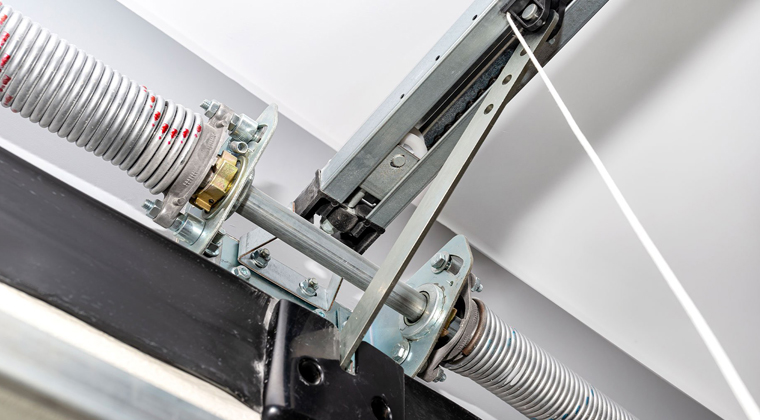
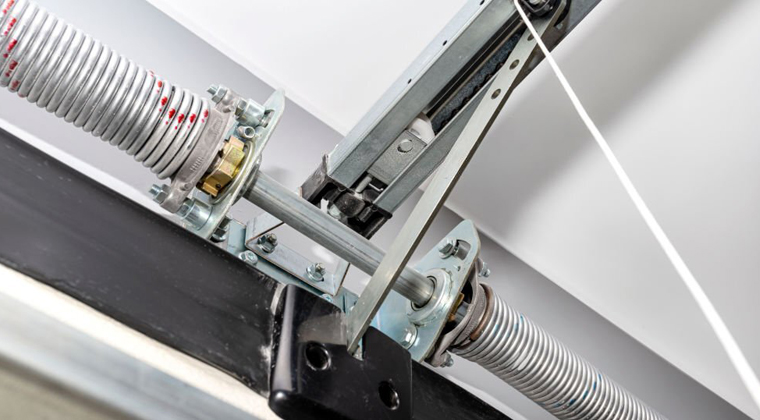
Torsion Springs– Secondly, we have torsion springs. You can find them above your door. These springs, upon closing the door, store up energy. And they release that energy when it’s time to open it.

Cracking the Code: Clear Hints of a Broken Door Spring

Broken springs don’t always show up clearly. However, small changes in movements can be big clues. Some issues may not even start inside your garage. The impact of weather on garage door springs plays a crucial role in their lifespan. So, it’s better to spot the cause and notice the signs.

  • Sagging Hides a Danger Story- Is your garage door tilting a bit? That speaks volumes of a broken garage door spring. In fact, spring damage negatively affects your garage door’s balance. As a result, it starts sagging to one side.
  • When Cables Lose Their Tension- What if your garage door system has loose cables? In that case, you can blame spring damage. That’s because these cables remain attached to the door’s springs.
  • Noisy Doors Give Clear Clues- Next, do you sense a loud banging or snapping noise? That may hide the story of a broken spring. But sometimes, the sound may not be loud enough.
  • Harder to Close or Open the Door- Now, let’s look at a common sign of spring damage. You may find your garage door heavier than before. Moreover, it’s quite a task to lift it manually.Well, that issue may hide a broken garage door spring. The door’s balance goes off with spring damage. And that makes the door feel heavier.
  • The Sudden Garage Door Backflip- Finally, we have a serious issue to notice. Modern garage doors have that auto reverse quality. However, that doesn’t mean they’ll reverse unexpectedly.

If that’s the case, maybe it’s a balance issue. And that happens because of a broken spring. So, the safety system triggers a reverse path.

Garage Door Spring Replacement: Help Comes Your Way

You now know the clear signs that reflect a broken garage door spring. Now, let’s tackle the flaw and fix it properly. So, call experts for a quick garage door spring replacement. And let problems be out of the door!
When the Storm Hits: Shielding Your Garage Door Springs

The springs of your garage door work day and night for smooth movement. But when weather elements strike, something negative happens. Your garage door springs start showing problems that need repair. What should you do then? What will be your strategy? Allow us to show you the way. Here is more on the weather effect on those springs and the need for repair.

How the Elements Negatively Affect Your Garage Door Springs

Weather conditions can cause damage to your garage door spring in many ways. Let us understand how.

Effect of Humidity and Moisture– Your door’s springs will experience faster corrosion and rust because of humidity, moisture and rain. But what exactly does rust do to the metal? It starts weakening the springs and increases the chances of failure. Therefore, you need to take quick action to prevent further damage.

Temperature Changes– What do changing temperatures between freezing winters and hot summers do? They start the contraction and expansion of metal parts. And yes, that includes your garage door springs. These springs will gradually become weaker and face breakage.

Effect of Hot Summers– Do you know what a poorly ventilated garage can do? Firstly, it damages the door’s springs due to high temperatures. If this issue persists, you will notice spring failure as they gradually become brittle. Therefore, you can choose proper ventilation to avoid summer damage to some extent.

The Freezing Dangers– Now, let us see the challenges during winter. Water tries to seep into the spring’s crevices and cracks. You know what will happen, right? This water will freeze and expand. What’s the problem with expansion? Your garage door springs will start losing their flexibility and will slowly break.

Repair Roadmap: Effective Strategies for Your Springs

We saw the effect of weather on your door springs. And now comes the time for spring repair. We have a few helpful tips to show you the right path. Let’s go.

Careful Inspection– Regular inspections are the best steps to save your garage door springs. Just remember to schedule them before and after the severe weather.

Lubricate Well– Why is it essential to lubricate the door’s springs correctly? Because it helps minimize the effects of temperature changes and reduces friction. But always choose a high-quality lubricant for best results.

Maintain the Balance– Springs can only manage the door’s weight with proper balance. So, if you notice improper balance, know that springs will face extra strain.

Fight the Rust– Do you see signs of corrosion or rust on the springs? A wire brush will help you clear the dust. Next, use a lubricant to protect the springs.

Finally, if you encounter issues with your door springs, contact a professional garage door spring repair service provider. Remember, DIY solutions are not the best option in this case. Ultimately, expert care will ensure your garage door springs are restored on time.

Twist and Stretch: Garage Door Spring Replacement Made Easy 

how to replace garage door springs

Your garage door springs have a lot to do behind the scenes. They balance the door’s weight and ensure its smooth operation. But we know every component comes with its limited lifespan. The same holds for the high-tension steel in your garage door springs. Eventually, the spring’s functionality decreases, making you wonder how to replace garage door springs. Here comes the blog post to show you the way. 

Fail Alert: Signs Your Garage Door Springs Need Help

  • A heavy garage door requiring more force for the lifting mechanism is a common sign of failing springs.
  • Excess strain on your garage door opener implies the need for garage door spring repair or replacement.
  • If one of the garage door springs breaks, a loud gunshot-like sound would be obvious. It also implies the aging of the other spring, demanding the replacement of both springs. 

Knowing How to Replace Garage Door Springs: A Detailed Breakdown  

Replacing your garage door springs is no child’s play. You must be careful with every step you take to keep efficiency in check. Here are two different pathways depending on the spring type. 

Torsion Spring Replacement Steps 

Safety First Approach-

Pay attention to the safety needs before doing anything. These measures include locking your garage door and disconnecting the door opener. Then, use C-clamps to secure your garage door’s tracks. That prevents any unfortunate opening circumstances. Finally, ensure safe accessibility by using a reliable stepladder. 

Spring Unloading Process-

Next, start unloading the spring by using a proper winding bar. Let go of the tension by putting and tightening the screws. Allow those old springs to slide down the winding bar and use pliers to secure it. 

Old Spring Removal-

The third step involves the use of wrenches to disconnect torsion springs from their center bracket. Use pliers to secure the winding bar and start disconnecting the cable from the garage door bracket. Take out that old spring after loosening those drum setscrews. 

New Spring Installation-

The installation phase implies sliding those new springs on the bar bolt and letting them reach the center bracket. Secure cables in the drums after reconnecting them to their brackets. Finally, avoid the chances of cable slack by tightening those drum setscrews. 

Loading Torsion Springs-

Begin loading the springs by following the manufacturer’s guidelines. Rely on two winding bars to twist the torsion spring upwards. Then, allow a slight spring extension by tapping the winding bar using a hammer. And avoid over-tightening when tightening those setscrews. 

The Last Few Steps-

The finishing move includes the use of a garage door spray for spring lubrication. The next three moves are removing the clamps, reconnecting the garage door opener, and checking how the door operates. Make necessary adjustments to spring tension if the garage door fails to close or open completely. 

Extension Spring Replacement Process 

Choosing the Proper Springs-

Aim for springs that can properly fit the height of your garage door. You may have to replace brackets, cables, and pulleys if you notice wear and tear.

Safety Consideration-

Start by securing the tracks after fully opening your garage door using C-clamps. Disconnect the opener to prevent the possibility of unintentional activation.

Old Spring Removal-

The spring removal process begins with the one farthest from the garage door. After unbolting the spring from the bracket, unplug the lift cable and remove the pulley.

Setting Up the New Springs-

Installation starts with the safety cable. Start threading it through your new extension spring and hook it to the brackets. Following a loop pattern, start connecting the lift cable to the track bracket and spring end. While attaching the cable, aim to exert a little tension for stretching the extension spring. Follow the same process for the other side.

Final Move-

Finally, use a high-quality spray for lubricating the springs. Then, shift your focus toward reconnecting the opener and removing the clamps. Test the operation of your garage door and make adjustments to the lift power if necessary.

Help Wanted, Expert Needed: Time to Call Professionals 

Professional technicians understand and follow the proper order of replacing garage door springs. These technicians ensure safe and effective replacement, saving you time and money in the long run. So, professional garage door service is the way to go if you desire a hassle-free installation. 

Closing the Doors on Spring Maintenance 

When wondering how to replace garage door springs, always consider the pros and cons of DIY and professional service. Furthermore, opt for regular inspection and lubrication of springs to ensure smooth operation of garage doors.