Skip to content

Lack of Proper Installation Invites a Noisy Garage Door
Firstly, we’ll look at the issue of installation. Can you hear loud rattling or grinding noises? These sounds say a lot about an installation error. Then, you have slapping sounds in the case of loose chains. Finally, rattling or vibrating noises indicate loose nuts and bolts. The common causes include poor quality springs or human error. And the solution is to reinstall correctly. So, contact a garage door repair expert for help.
Rolling Into Trouble? It’s Time for a Roller Change
As the roller fails to work, the door may get out of alignment. As a result, you may hear vibrating or squeaking noises. Now, you can either replace or lubricate the rollers. Plastic materials don’t last as long as steel or nylon ones.
Firstly, see if lubricating the rollers gets you results. Twice a year is a good thumb rule to follow. However, contact a professional if it’s still a noisy garage door.
A Little Lubrication Goes a Long Way for Noisy Garage Doors
Previously, we saw the value of lubricating rollers. Now, what if poor lubrication is the main culprit? That means every part of the door needs attention. Next, always go for a high-quality brand for the best results. We recommend using a silicone spray after 6 months regularly.
When Your Noisy Garage Door Loses Its Balance
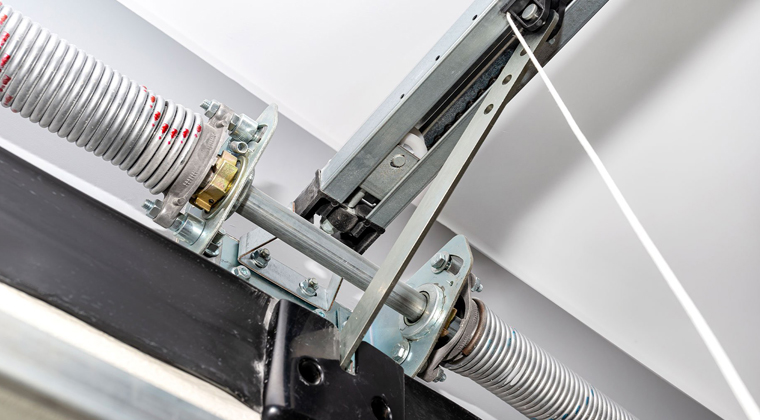
Your garage door may make scraping sounds when it loses balance. The list of causes includes loose springs, drive issues, or extra weight. Moreover, you may hear popping or banging noises. In these situations, it’s better to avoid manual lifting. Otherwise, you may face injuries. So, call an expert technician to fix the issue.
Struggling to Open? Let’s Power Up Your Opener
Buzzing, straining, or grinding sounds tell the story of the opener problem. Maybe, the motor is failing. On top of that, slow movement indicates you need a new opener. A simple hack is to jump to a better technology. After all, newer opener models come with more features.
As we saw, a noisy garage door hides a lot of trouble. Firstly, we must understand what these sounds indicate. Then comes the decision to lubricate or call a professional for help. So, follow the signs, look at the hidden cause, and take the right step.